Singapore’s three largest banks – DBS, OCBC and UOB have completed the first live domestic Singapore dollar transactions using tokenised bank deposits on Swift’s blockchain-based ledger.
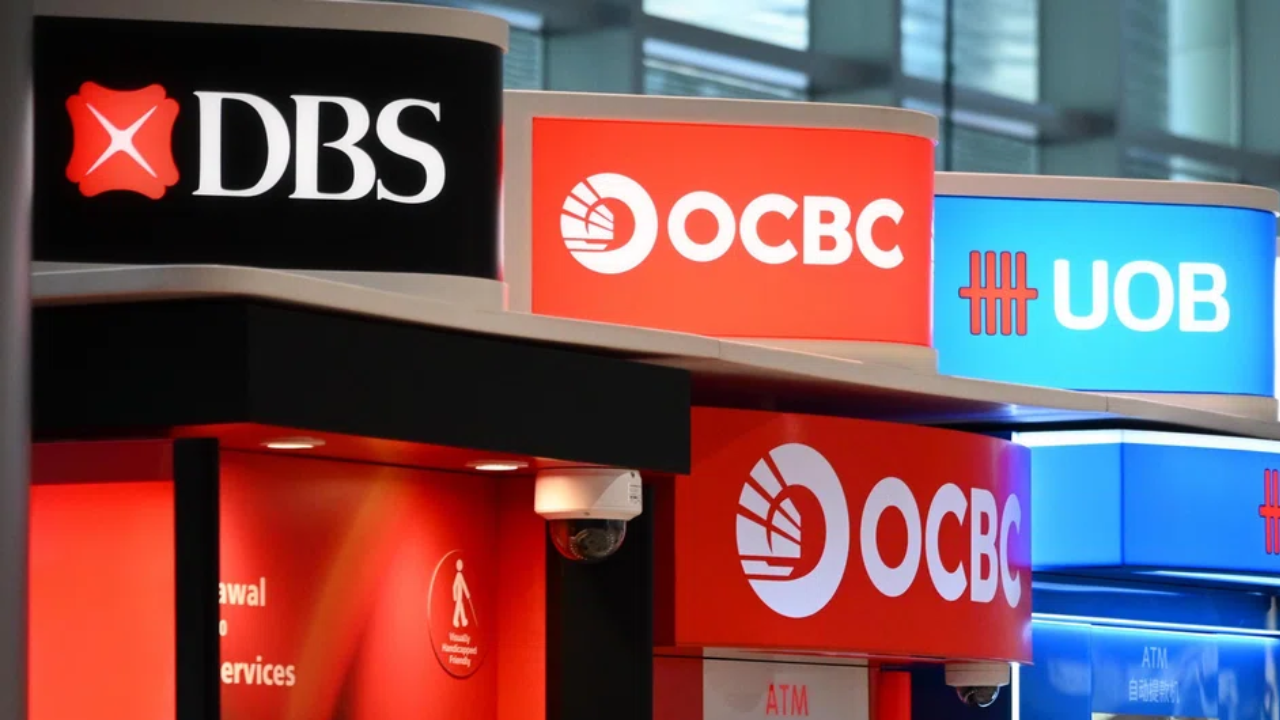
The transaction marks the first time the three Singapore banks have executed live interbank payments using tokenised deposits, representing another important milestone in the development of blockchain infrastructure for mainstream banking and payments.
The development comes shortly after DBS and OCBC completed separate cross-border tokenised US dollar transactions with Citi using the same Swift ledger infrastructure. Citi has also indicated plans to move tokenised USD with UOB, highlighting growing momentum around real-world applications of tokenised bank deposits.
Swift first announced plans for its blockchain-based ledger in September 2025, with the infrastructure designed to enable banks to exchange tokenised deposits and support transactions beyond traditional banking hours. The ledger went live with 17 partner banks in July 2026, while HSBC and Standard Chartered completed the first live tokenised deposit transaction on the network the following month.
For Singapore’s banking sector, the latest transaction demonstrates how shared ledger technology could support faster and potentially always-on domestic and cross-border payments while maintaining the regulatory and operational frameworks of the existing banking system.
According to Carmen Chan, Deputy Head of Global Transaction Banking at OCBC, the initiative provides insights into how shared-ledger technology can unlock new payment capabilities for businesses while preserving the trust and resilience of today’s financial infrastructure.
DBS also sees potential applications beyond payments, including corporate treasury, trade finance and digital commerce.
Why It Matters
Unlike many blockchain pilots involving cryptocurrencies or experimental digital assets, this transaction involved tokenised bank deposits and real interbank banking infrastructure. That makes the development particularly relevant for the future of institutional payments.
The participation of DBS, OCBC and UOB three of Singapore’s largest financial institutions, also signals that tokenisation is increasingly moving beyond experimentation and toward practical banking use cases.
As global banks continue exploring shared ledgers, tokenised deposits and programmable payments, Singapore is positioning itself as one of the key markets testing how blockchain infrastructure could integrate directly into the traditional financial system.